Dalpura Farm
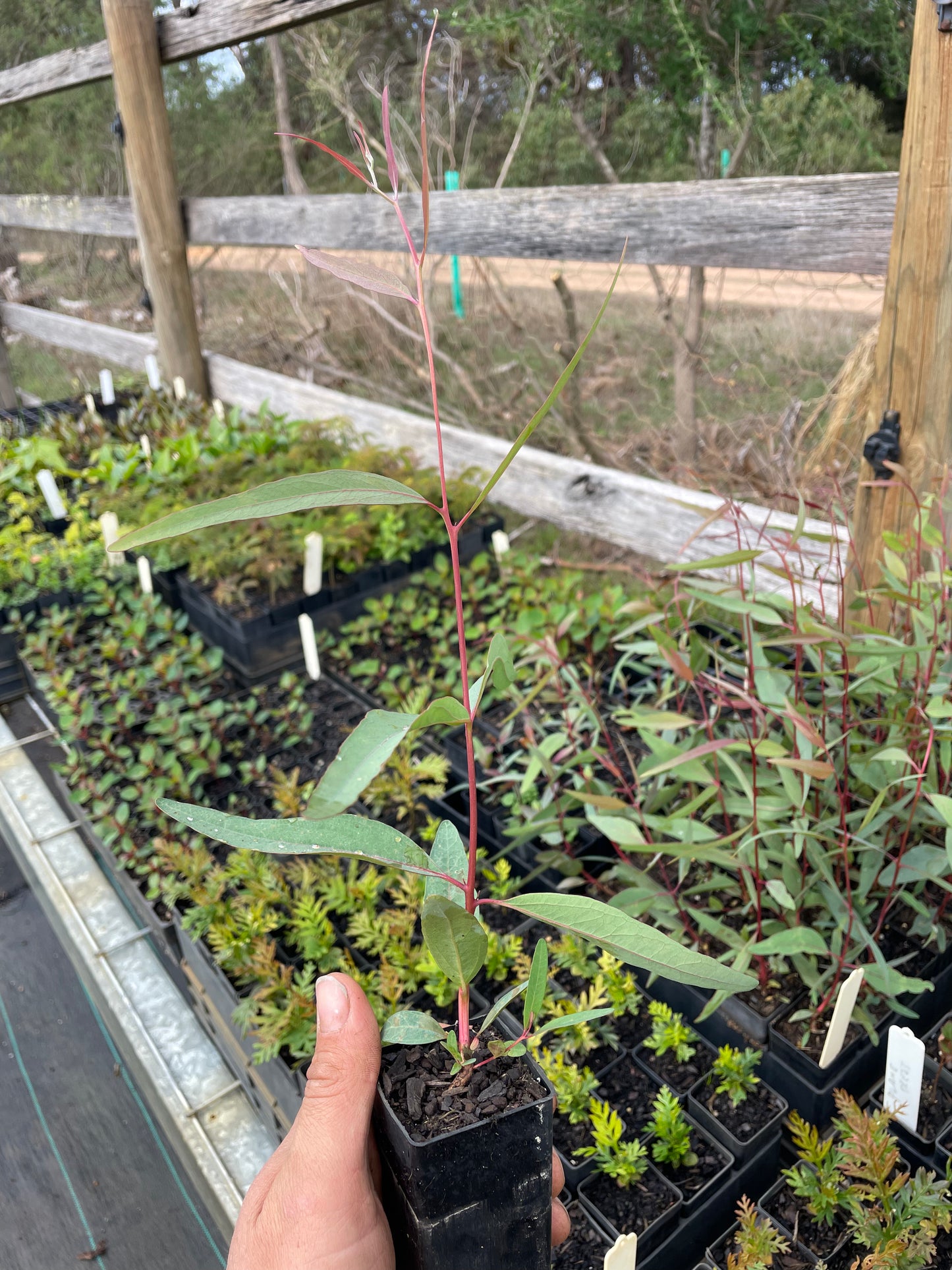
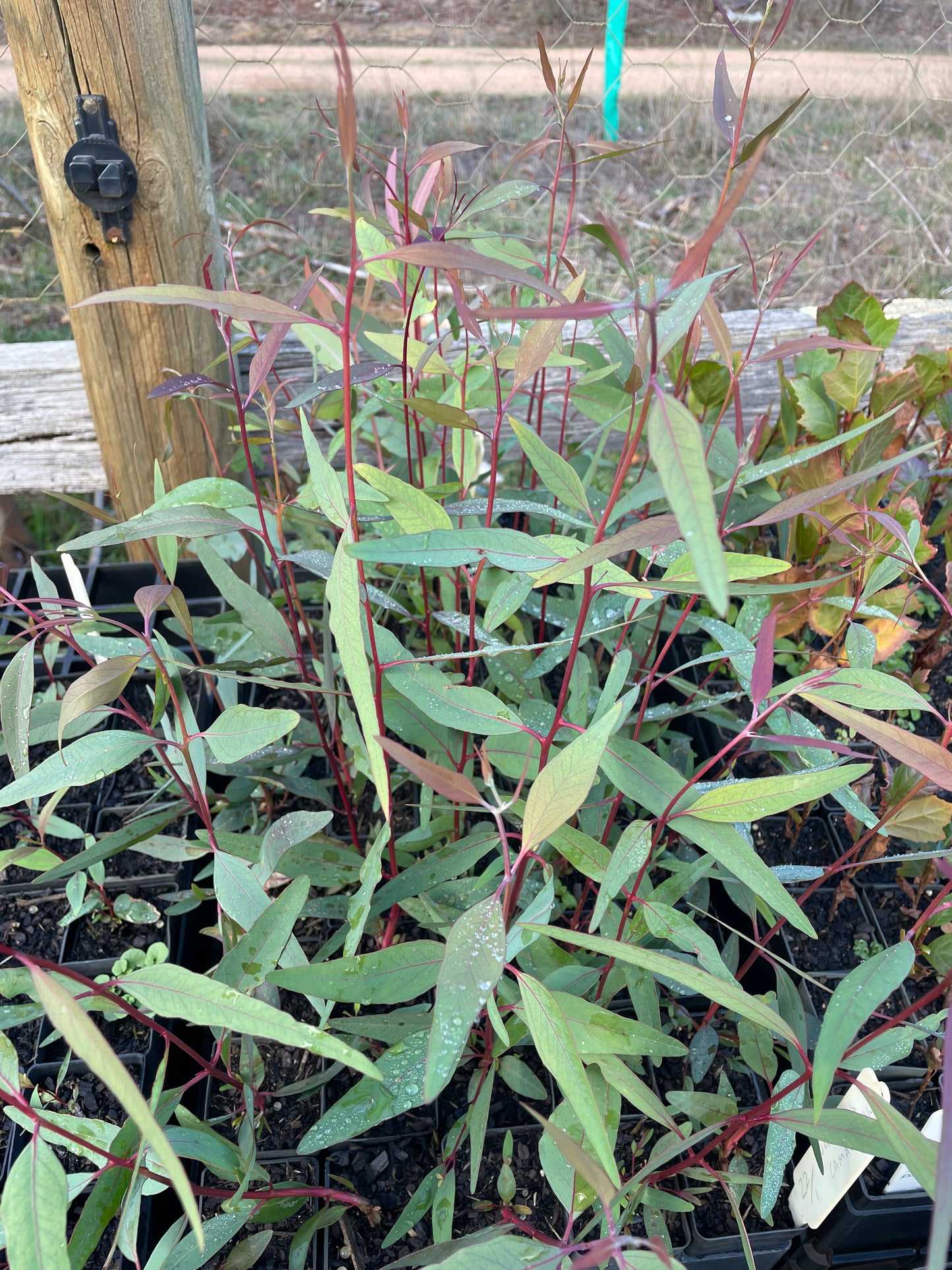
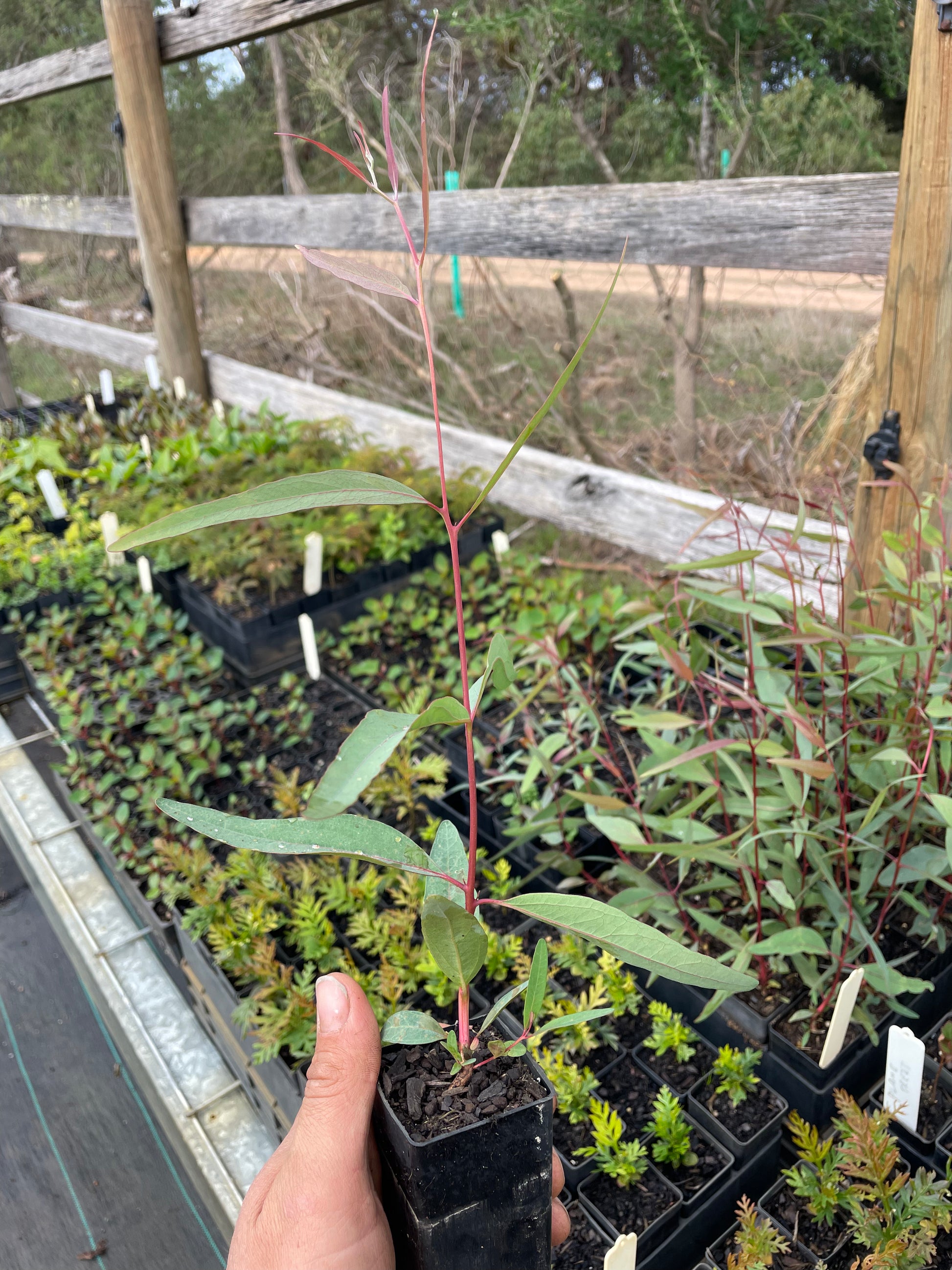
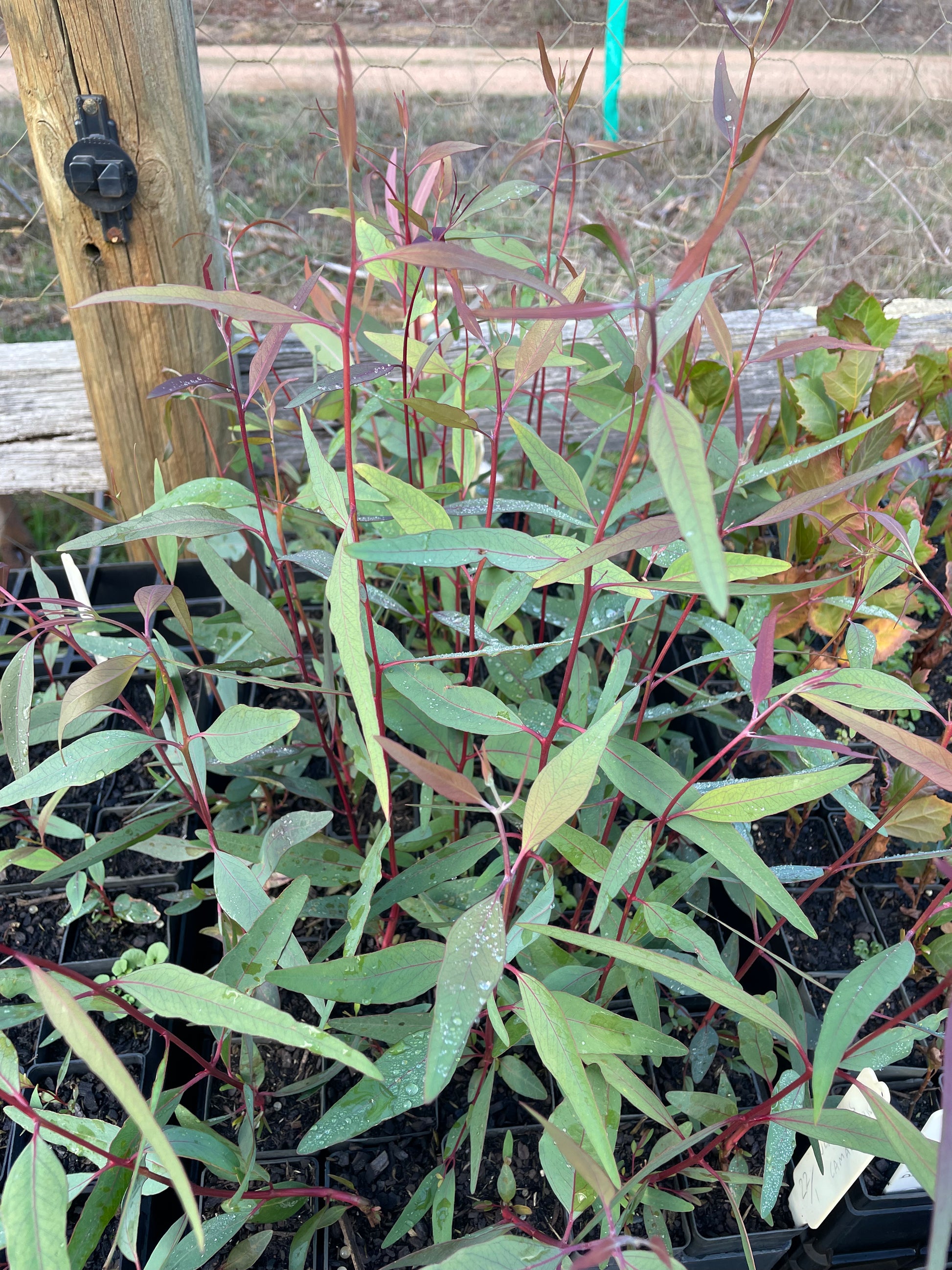
Eucalyptus Camaldulensis - River Red Gum Tubestock | Native Tree Seedling
Eucalyptus Camaldulensis - River Red Gum Tubestock | Native Tree Seedling
Couldn't load pickup availability
Eucalyptus camaldulensis – River Red Gum
Description:
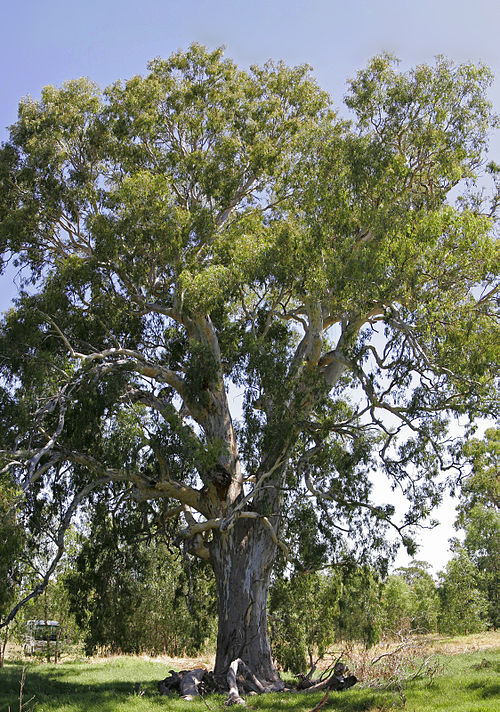
A large and iconic Australian native eucalypt, River Red Gum is recognised by its broad spreading canopy, distinctive smooth white to grey bark with patches of darker rough bark, and attractive narrow leaves. It is naturally associated with rivers, floodplains, wetlands, and watercourses throughout much of mainland Australia. The species is highly valued for its ability to provide shade, habitat, and food for a wide range of native wildlife, while its flowers provide abundant nectar for bees, birds, and other pollinators. River Red Gum produces a strong, dense and durable hardwood with significant timber value, traditionally used for heavy construction, fencing, railway sleepers, poles, firewood, and other applications. Its extensive root system and tolerance of periodic flooding make it particularly valuable for riparian revegetation, erosion control, waterway rehabilitation, and large rural landscapes.
🌳 Height:
15–30 m, occasionally over 40 m
🌿 Width:
10–20 m spread
🔧 Uses:
-
Feature and specimen tree
-
Shade tree for large rural properties and parks
-
Timber production and farm forestry
-
Durable hardwood for posts, poles, sleepers, fencing, and construction
-
Firewood and biomass production
-
Native revegetation and habitat restoration
-
Riparian and waterway rehabilitation
-
Erosion control and soil stabilisation
-
Wildlife habitat and shelter
-
Nectar and pollen source for bees, birds, and native insects
-
Floodplain and wetland planting
-
Large-scale rural and agricultural landscaping
🪵 Timber value:
Very high — produces a dense, heavy and durable hardwood with excellent strength and wear resistance. Traditionally valued for railway sleepers, heavy construction, bridge timbers, poles, fence posts, flooring, firewood, and other demanding applications. Mature trees can produce substantial quantities of high-value timber.
🌱 Ideal growing conditions:
-
Deep, fertile, well-drained to seasonally waterlogged soils
-
Alluvial soils along rivers and floodplains
-
Full sun
-
Reliable access to soil moisture
-
Riverbanks, creeks, wetlands, and floodplains
-
Temperate to semi-arid climates
-
Open rural and riparian landscapes
💪 Tolerates:
-
Periodic flooding and waterlogging
-
Heat
-
Dry periods once established
-
Heavy and clay soils
-
Sandy alluvial soils
-
Wind
-
Poorer soils once established
-
Moderate frost
-
Seasonal fluctuations in water availability
💧 Drought hardy:
High — capable of surviving extended dry periods once established, particularly where deep soil moisture or groundwater is available
❄️ Frost tolerant:
High — established trees tolerate moderate to heavy frost
🧂 Salt tolerant:
Moderate — can tolerate some saline conditions, particularly where water availability is adequate, but prolonged high salinity can reduce growth
🌊 Flood tolerant:
Very high — highly adapted to periodic flooding and naturally thrives along waterways and floodplains
Share